WhatsApp
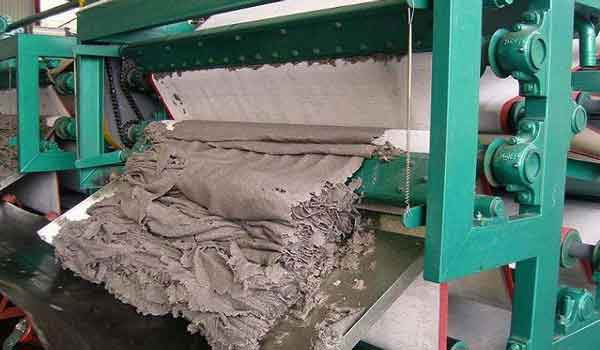
The concentrated sludge has a water content of 95%, does not have solid properties, and cannot be transported or disposed of. To achieve better dewatering results, flocculants need to be added to the sludge. The flocculant is diluted and stirred according to the specified ratio, then pumped into a thickener to mix with the sludge. The dewatered sludge is then conveyed to a sludge truck by a screw conveyor, while the clear water at the top is discharged for reuse.
Selection of flocculants
Sludge generally requires pretreatment before dewatering to improve dewatering performance and reduce processing difficulty. Centrifugal dewatering typically uses polymeric flocculants. This is because the space inside a centrifuge is relatively small, and the amount of sludge must be carefully controlled. When using polymeric flocculants, the amount of sludge remains essentially unchanged, and its fertilizer efficiency and calorific value do not decrease. However, if inorganic agents are used, the amount of sludge will increase significantly, greatly reducing the processing capacity of the dewatering machine.
Adjustment of flocculant concentration
During commissioning, a process of preparing sludge cakes from high to low concentrations is generally adopted. At different concentrations, the most appropriate dosing concentration is selected based on the moisture content of the sludge cake, the clarity of the supernatant, and the rotation torque. In practice, higher flocculant concentration does not necessarily lead to higher solids content in the sludge cake. Furthermore, the flocculant concentration can be adjusted using a static mixer to dilute the flocculant solution by adjusting the water-to-flocculant ratio to meet process requirements.
Related Products
There are no relevant articles.
Send us a message
We will provide you with the most professional services.